From Hippocrates to Healing: Medicine in Ancient Greece

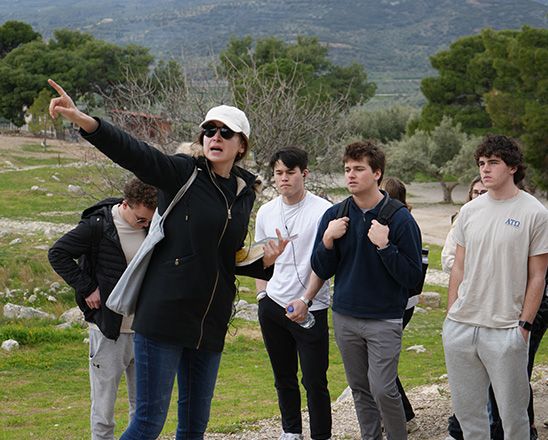
How did the ancient Greeks understand the relationship between the body and the mind? Was illness the work of angry gods, an imbalance within the body, or a disruption of one’s way of life? Long before modern medicine took shape, Greek physicians, philosophers, poets, and religious healers offered different and often competing ways of explaining health, illness, and recovery. Their ideas helped shape later thinking about medicine, psychology, ethics, and public health, while still reflecting the social, cultural, and religious world of the ancient Mediterranean. Students will learn to read material culture alongside literary sources, not in order to search the ancient world for direct answers to modern health problems, but to ask historically grounded questions: Who was recognized as qualified to heal? What kinds of evidence persuaded people that a cure was divine? How did communities respond to illnesses that persisted or could not be cured? We will investigate the archaeological and historical settings in which healing took place, from private spaces such as households and neighborhood shrines to public institutions including Asklepieia, gymnasia, and other civic environments. The course will also examine anatomical votive offerings to the gods, considering how they illuminate ancient experiences of illness, disability, gratitude, and hope, and what they reveal about the relationship between patients and healing deities. Excursions to museums and sites in and around Athens will provide hands-on encounters with inscriptions and architectural remains, alongside visits to important healing sanctuaries such as the Asklepieion on the south slope of the Athenian Acropolis and lesser-known healing sites such as the Sanctuary of Artemis at Brauron.