Healing in Ancient Greece (Athens, Epidaurus, Kos)

This course explores ancient Greek healing as an archaeological and historical phenomenon, following how people pursued health and interpreted illness through the places they built, the objects they dedicated, and the texts they left behind. Using evidence from healing sanctuaries and their built environments (Asklepieia and other cult spaces), inscriptions, votive offerings, surgical instruments, and medical/technical devices, we will reconstruct the lived experience of the healing process and the diverse social and political contexts that shaped “medical expertise” in antiquity.
Students will learn to read material culture alongside literary sources with the aim not to look to the past for direct answers to contemporary health issues but to ask historical questions: who was seen as qualified expert to heal? What kinds of evidence convinced people that a cure was divine? And how did communities cope with illnesses that lingered or could not be cured? Along the way, we will investigate the archaeological and historical contexts where healing took place in ancient Greece, considering both private sites (households and neighborhood shrines) and public institutions, including Asklepieia, gymnasia, and other civic environments. We’ll also examine anatomical votive offerings to the gods to see how they illuminate ancient experiences of disability and what they reveal about the dynamic relationship between patients and healing deities.
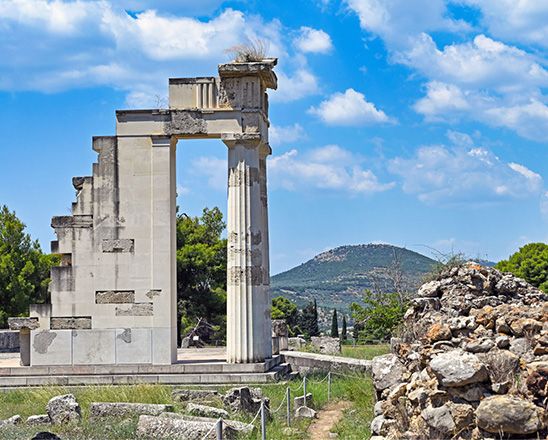
Excursions to museums and sites in and around Athens provide hands-on encounters with objects, inscriptions, and architectural remains, alongside visits to major healing sanctuaries such as the Amphiareion at Oropos and the Asclepieion at Epidaurus. A four-day study trip to Kos anchors the course, drawing on the island’s distinctive healing archaeological landscape to investigate Hippocrates’ extended reception: not as an unchanging ‘father of medicine,’ but as a figure continually promoted as well as debated across antiquity and beyond.
Enrollment
This course requires a minimum enrollment of 10, with a maximum enrollment of 16.


CYA reserves the right to cancel this program by April 15th. If CYA cancels a program, all monies paid will be returned to the student, including the non-refundable deposit.