Biology and the Wild: Ancient Perspectives, Modern Challenges (Athens, Peloponnese)
Discover where modern conservation science began as you explore Greece’s stunning biodiversity through the eyes of ancient philosophers and today’s conservation biologists. This immersive field course connects Aristotle’s groundbreaking biological observations with cutting-edge research on Mediterranean ecosystems, offering students a unique perspective on environmental stewardship that spans millennia.
Students will conduct hands-on research on wild marginated tortoises (Testudo marginata) on Mount Hymettus, contributing valuable data to ongoing conservation efforts while learning ecological and physiological survey methods. Field excursions extend from Athens’ urban ecology to the pristine waters of the Peloponnese.
The course weaves together ancient Greek texts, from Theophrastus’ botanical studies to Plato’s warnings about deforestation, with modern conservation challenges including climate change, habitat fragmentation, and marine pollution. Visit sacred groves that represent humanity’s earliest protected areas, explore Byzantine monastic conservation practices, and learn from contemporary wildlife rehabilitation centers.
Whether examining Hippocratic environmental medicine, analyzing fire ecology on ancient landscapes, or snorkeling through seagrass meadows that Poseidon once protected, students gain both historical perspective and practical skills in conservation biology. This interdisciplinary approach reveals how ancient wisdom can inform modern environmental solutions, preparing students to become thoughtful stewards of our planet’s biodiversity.
Course Details
Enrollment
This course requires a minimum enrollment of 10, with a maximum enrollment of 15
Credit
60 contact hours
Essential Information
The course starts and ends in Athens. Transportation between Athens and the rest of the course’s destinations, as well as during day excursions is included in the course fee.
Enrolled students will have access to detailed information prior to departure that will include directions to the Academic Center and other practical information about residing in Athens. CYA recommends the following website for general information about Athens and Greece: http://www.athensguide.com.
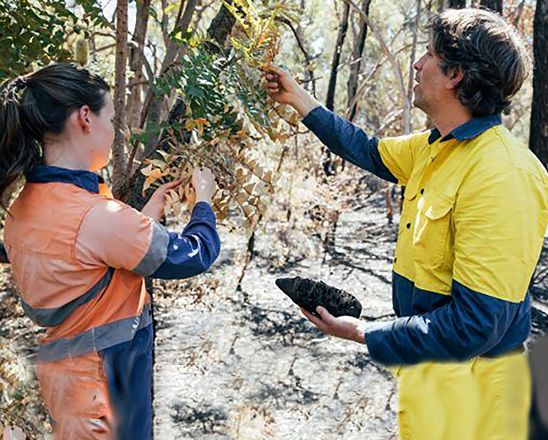
IMPORTANT NOTE: Fieldwork is central to this course and will take place in both terrestrial and coastal habitats of the Mediterranean. Students should be prepared for rugged terrain, hot and variable weather, and the presence of potentially hazardous wildlife (e.g., snakes, scorpions, marine organisms). Safety depends on teamwork, awareness of surroundings, and respect for local regulations and conservation guidelines. Our fieldwork involves living organisms, fragile ecosystems, and collaboration with conservation professionals. Students are expected to act responsibly, respectfully, and ethically in every setting.
Wildlife Handling: Animals (e.g., tortoises, sea turtles) are only to be handled under direct instructor or project leader supervision. Always minimize stress to the animal—no unnecessary contact, photographs, or prolonged holding.
Habitat Respect: Do not collect plants, disturb nests, or move natural objects unless instructed for sampling. Stay on designated paths whenever possible to avoid trampling vegetation.
Team Safety: Work in pairs or groups; no solo wandering in the field. Communicate regularly with the team and notify instructors of any concerns.
Professional Behavior: Respect local communities, conservation staff, and cultural sites. Punctuality and preparedness are part of your professional conduct.
Leave No Trace: Pack out all trash, avoid single-use plastics, and ensure sampling areas are left as undisturbed as possible.
Violations of these guidelines compromise both conservation work and student safety and will not be tolerated.
Recommended Field Equipment
- Sturdy closed-toe walking/hiking shoes
- Lightweight, breathable long pants and long-sleeved shirt (sun and insect protection)
- Wide-brimmed hat and sunglasses
- Refillable water bottle (1–2 liters minimum)
- Sunscreen (reef-safe preferred)
- Portable and rechargeable neck Fan
- Insect repellent
- Waterproof notebook and pencils/pens
- Small backpack/daypack
- Personal first-aid kit (band-aids, antiseptic wipes, any personal medications)
- Headlamp or flashlight (for dawn/dusk surveys)
- Optional: snorkeling mask/fins for marine observations (if permitted)
Housing
While in Athens, students are housed within walking distance of the CYA Academic Center in either CYA student apartments located in the Pangrati neighborhood of central Athens or in hotel accommodations arranged by CYA. CYA apartments are simply furnished and equipped with a full kitchen and air-conditioned bedrooms; towels, linens and housekeeping service will be provided. Hotel accommodations will be in simple 2- or 3-star hotels, double- or triple-occupancy, with air-conditioned rooms.
Facilities
The CYA Academic Center is located next to the Athens Marble Stadium and houses classrooms, the library, the student lounge and cafeteria, computer facilities (including wireless access for those students who choose to bring laptop computers), laundry facilities, and administrative offices. The Academic Center is accessible Monday-Thursday 9:00 a.m.-8:00 p.m., Friday 9:00 a.m.-6:00 p.m.
Meals
When class is in Athens a full mid-day meal will be served weekdays in the CYA cafeteria between the hours of 12:00-3:00 p.m. While traveling, breakfast will be offered at the Hotel. A welcome dinner and a farewell lunch are also included in the course fee.
Day-to-Day Program & Itinerary
The day-to-day program and itinerary of the course are subject to change. Students are advised not to make plans for their free time or weekends in advance, as class schedules and site visits may be re-scheduled depending on local conditions.