| Email: | [email protected] |
| School: | Oberlin College |
| Cya Term: | Spring 2025 |
| Major: | Neuroscience and Psychology |
| Anticipated Graduation: | 5/28/2027 |
Spending a semester abroad with CYA was a transformative experience that deeply impacted my personal, academic, and professional growth. Personally, I’ve come a long way. Living on my own, navigating a new country, and traveling solo gave me the space to not only explore the world around me but also reflect on my own thoughts, dreams, and identity. This time abroad helped me build a stronger sense of self-confidence and independence.
Academically, studying abroad allowed me to explore career paths within Europe that align with my interests in psychology and neuroscience. I took the opportunity to research how my fields of study are approached in different cultural and academic contexts, which broadened my understanding of the global landscape of mental health and neuroscience research.
Professionally, I had the unique opportunity to work as a CYA Media Lab Intern. This experience helped me sharpen my photography skills while collaborating with a creative team on projects outside the classroom. Meeting creative deadlines and contributing student perspectives to CYA gave me practical experience in storytelling, content creation, and community engagement. It was incredibly fulfilling to document student life and offer insights into the program from a student’s point of view.
Overall, my time abroad helped me grow into a more reflective, confident, and curious individual—ready to take on new academic and professional challenges with a broader, more global perspective.
What advice do you have for prospective students who are interested in or planning to study abroad with CYA?
Definitely take the leap and study abroad—even if you’re unsure about leaving home or stepping into the unknown. It’s an amazing experience that allows you to grow in ways you can’t always anticipate. Studying abroad gives you the space to step outside your comfort zone and shed any previous molds or expectations. You have the chance to be who you want to be and explore new interests on your own terms.
That said, I recommend planning your academics carefully. Make sure your study abroad credits will transfer back to your home institution, and check in with your advisors to stay on track with your major or graduation timeline. Once that’s sorted, give yourself the freedom to explore, take risks, and fully immerse yourself in the experience.
To be honest, I think not knowing everything in advance worked to my benefit. I came to Greece with only a general idea of what to expect from studying abroad—and I’m really grateful for that. It allowed me to keep an open mind, be more adaptable, and really take in my surroundings without comparing them to expectations. That mindset helped me adjust more easily to life in Athens and made the experience feel more genuine.
If I had to point out one thing I wish I had been more aware of, it’s the culture shock, especially around food and daily habits. Greek cuisine is delicious, but it’s very different from what I was used to, and it took some time to adjust. Even things like meal times, grocery shopping, or social customs can feel unfamiliar at first. It’s nothing to be afraid of, but it’s something to be mentally prepared for—just to give yourself grace as you navigate it.
I also think people underestimate how transformative this kind of experience can be. You’re not just traveling—you’re living, learning, and building a temporary home in a new country. That process can be emotional and overwhelming at times, but it’s also incredibly meaningful. I’ve learned so much about myself simply by being in a new environment where I had to figure things out on my own, reflect on my values, and rethink what I want from my life—both personally and professionally.
Something I’ve come to realize only now—as I’m approaching the end of my program—is how fully and deeply you live while abroad. You’re not just traveling or passing through—you’re actually building a real life here. You create routines, form friendships, have favorite cafés, discover personal rituals, and find comfort in places that once felt unfamiliar. And now that I’m so close to leaving, I’m realizing how hard it is to walk away from this life I’ve built. Four months is a long time—it’s enough to grow attached, to feel at home, and to create a version of yourself that feels deeply connected to your experience abroad.
How was the political climate in Greece different from what you are used to? If applicable, describe a time when you had to navigate a political conversation during your time abroad.
The political climate in Greece was definitely different from what I’m used to. I attend a very liberal college in the U.S., where I’ve always felt comfortable and supported when expressing my political views. It’s a space where open dialogue is encouraged, but often among people who share similar perspectives.
Studying at CYA, I encountered a much wider range of political viewpoints because students come from all across the United States. For example, my two roommates are Trump supporters, which was definitely a shift for me. At first, it was hard to adjust—we had very different life experiences, values, and ways of seeing the world. Navigating that required a lot of patience, empathy, and respectful conversation. I had to learn how to communicate my beliefs while also listening and trying to understand where they were coming from, even when I disagreed. It wasn’t always easy, but it was an important learning experience in how to have difficult conversations with mutual respect.
Beyond my immediate peers, the political climate in Greece felt different in a powerful way. People here seem more publicly active and vocal about issues that matter to them. One of the most noticeable differences was how common and impactful strikes are—whether it's public transport, schools, or hospitals, strikes are a regular form of protest, and they are intentionally disruptive. At first, they felt inconvenient, but I came to understand that that’s the point. They force society to pay attention to issues that might otherwise be ignored. There’s a strong sense of collective action here, and it made me reflect on how passive political engagement can sometimes feel back home.
Seeing people mobilize and take direct action to demand change was inspiring. It made politics feel more tangible and immediate, rather than something confined to headlines or social media. That kind of civic engagement challenged me to think more critically about my own role in political movements and what activism looks like in different cultural contexts.
Please select any of the following that apply to you, and that you would be willing to share about your CYA experience with other students:
Dietary restrictions, International student, Mental health, STEM major, Student of color
Briefly describe a cultural experience you had that was significant to you in any way.
One of the most meaningful cultural experiences I had was speaking with Dimitrius from a local café I’ve spent a lot of time at during my stay. Over the past few months, Kekkos has come to feel like a second home, and Dimitrius has become more like family. We’ve had so many conversations—just sharing our stories, talking about our lives, and learning from each other. That kind of connection, grounded in genuine curiosity and care, is something I’ll always remember.
I’ve come to really appreciate how community-based Greek culture is, especially compared to what I’m used to in the U.S. People here truly care. They want to know where you’re from, how you’re doing, what your story is—and it’s not just small talk, it’s sincere.
One moment that stood out was when I visited a small jewelry shop in Aghia Paraskevi. I ended up talking with the shop owners for over an hour and a half. We spoke about everything from politics to their experiences living in Paris and Switzerland. It was such a natural and heartfelt conversation, and we connected so quickly. That kind of openness and warmth is something I’ve found to be rare in the U.S., where conversations with strangers don’t always go beyond the surface.
These interactions showed me how much value there is in slowing down and truly connecting with people, and they’ve made my time in Greece incredibly special.
Favorite food in Greece?
My favorite food is Souvlaki. The best souvlaki I had was at Arcadia, it's the taverna i went to for my traverna dinner during orientation.
Favorite class you took at CYA?
My favorite class at CYA was Rediscovering Roman Greece with Professor Karavas. He’s an incredible lecturer—engaging, passionate, and incredibly knowledgeable. What made the class especially memorable was that we rarely stayed in a traditional classroom. Almost every session took place at a different archaeological or historical site around Athens. Learning on-site made the material come alive in a way that textbooks never could. Being able to stand where history happened, while listening to a professor who could weave complex narratives and connect them to the present, was such a unique and enriching experience. It made history feel real, tangible, and exciting—and it’s one of the reasons this class stood out so much during my time at CYA.
Favorite quote from abroad?
“We live and we learn.”
I’ve found myself coming back to this quote a lot during my time abroad, because it captures the essence of my experience so well. I’ve made plenty of small mistakes—missed buses, misread instructions, or miscommunicated in a new language—that turned into moments of frustration or inconvenience. But each one taught me something. Whether it was learning to slow down, double-check details, or simply laugh things off and adapt, these slip-ups helped me grow.
Living in a new country means stepping outside your comfort zone constantly, and it’s inevitable that you’ll stumble along the way. But those stumbles are exactly where the learning happens. I’ve become more patient with myself, more resourceful, and more confident in handling unexpected situations. Studying abroad has shown me that you don’t need to be perfect—you just need to stay open to growth.
What extracurricular activities were you involved with in Greece?
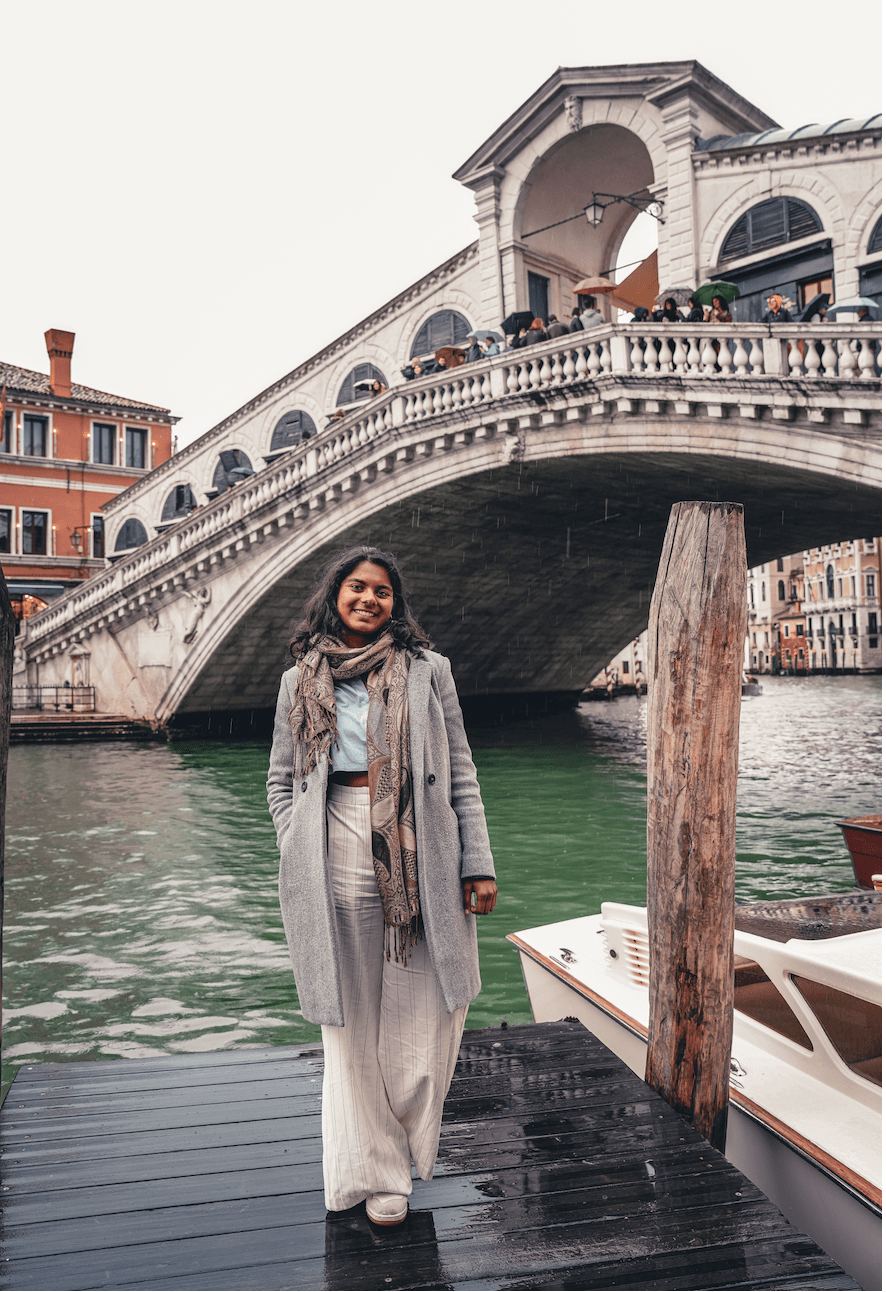
I was an intern for the Media Lab, I also did a few of the extracurricular activities Niki organized, like ceramics. I was also in Marble carving, truly one of the best things I did through CYA. I am also a photographer, so being in Greece and being able to travel to other countries and take photos of places I travel to and their cultures was everything.